Mid South 2026 Gearing Breakdown: What the Pros Actually Ran
Real setups from Stillwater, Oklahoma — March 14, 2026. Pro field data, red dirt tire strategy, and what these specific combinations tell you about gearing for variable terrain.
Related: Unbound Gravel 2026 Tire & Gear Setup • Red Dirt Tire PSI Calculator
Mid South is one of the most data-rich races on the American gravel calendar for one reason: the terrain is specific and consistent. Stillwater's red clay roads have defined characteristics — fast on dry days, peanut butter on wet ones — and the pro field's gear choices reflect that reality precisely. Here's what they ran in 2026, and why.
The Race Context
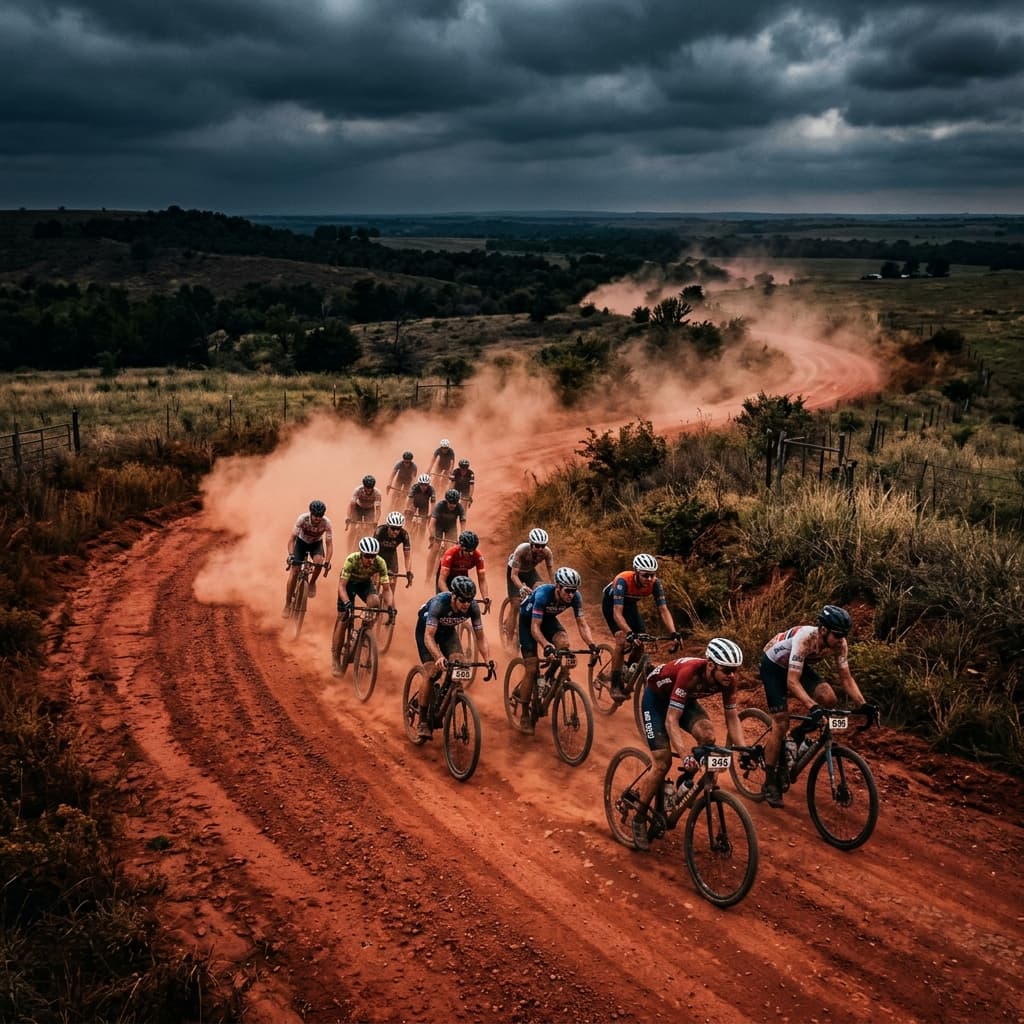
Mid South 2026 (formerly Land Run 100) ran on March 14 from Stillwater, Oklahoma. The 2026 edition introduced a pro/am split format — the elite field started separately from the mass participation event, creating cleaner data on what winning setups actually looked like. The event featured three distance options: 100 miles, 200 miles, and the new 350km ultra.
March in Oklahoma is notoriously unpredictable. The 2026 race started dry with temps in the mid-50s°F, turned briefly threatening mid-morning before clearing. That weather window shaped the winning tire choices: competitors who pre-committed to race-day tire selection rather than conditions-specific swaps had to account for both dry and potentially wet red dirt.
Pro Field Gearing Setups
Based on available data from registered pro riders and post-race interviews:
Most Common Pro Configurations — Mid South 2026
Most common in the top 10. SRAM Force XPLR AXS. Favored on the 100-mile course where sustained mid-range power matters most.
Second most common. Shimano GRX Di2 users. Slightly wider range for riders targeting the 200-mile ultra format.
Used by climber-type riders and lighter athletes. Prioritizes spinning out the climbs over raw top-speed.
Used by am/cat riders and those targeting the 350km ultra. Significantly easier gearing. Correct choice for sustained efforts over very long distance.
Why 42t — Not 40t or 44t?
The 42t chainring choice is interesting because it doesn't fit the "go small for climbing" pattern. Oklahoma's red dirt roads have gradual, long climbs rather than steep punchy ones. There's very little technical climbing that demands a dramatically lower gear — the challenge is sustaining power output for hours on a variable surface that alternates between fast rollers and grinding climbs.
A 42t/10-44t setup gives:
- Easy gear: 25.5 gear inches (adequate for Oklahoma's climbs — nothing requires sub-24)
- Hard gear: 112 gear inches (plenty for drafting on the fast rolling sections and descents)
- Mid-range density: the 10-44t cassette has tighter steps in the 15-28t range — exactly where you spend most race time on rolling gravel
Compare this to a 34t/10-52t setup (which would be overkill for Oklahoma): the climbing gear is dramatically easier than needed, and the wide cassette has larger gaps between cogs at the speeds most riders actually sustain. The 42/10-44 combination is specifically tuned to Mid South's pace, not general gravel racing.
Tire Selection: Red Dirt Logic
Oklahoma red dirt is iron-rich clay. Dry: it packs firm and rewards fast-rolling center tread. Wet: it becomes the most slippery surface in American gravel racing — smooth center knobs provide zero grip on wet red clay. The smart play for uncertain conditions:
Top 2026 Mid South Tire Choices
Panaracer GravelKing SK+ 48mm
22-26 PSI F / 25-30 PSI R
Most common. Center ridge for dry speed, aggressive side knobs for wet clay corners.
Maxxis Rambler 50mm
20-25 PSI F / 24-28 PSI R
Preferred by heavier riders (75kg+). Extra volume adds security in variable conditions.
Teravail Cannonball 42mm
28-32 PSI F / 30-35 PSI R
Used by speed-first riders on the 100-mile. Fast rolling on dry, risky in wet.
PSI ranges via rider interviews. Actual PSI varies by rider weight — use the eBikePSI calculator for your weight and tire.
What This Means for Your Gravel Setup
The Mid South data points to a clear principle: match your chainring to your terrain's average gradient, not your hardest climb. Most riders over-optimize for the steepest climb they'll face rather than the gear they'll spend 80% of the ride in. If your typical gravel ride features sustained moderate climbs rather than steep technical ones, a 40t or 42t ring with a 10-44t cassette will serve you better than a 34t ring with a 10-52t cassette.
For an event-specific gearing calculation — enter your course elevation profile, target power, and cadence preferences — build your setup in CrankSmith and compare real gear inch ranges.